About Allan Draper
I'm not a guru. I'm a guy who figured some things out.
No jet I'm trying to sell you a course about. No rented Lamborghini. Just a lawyer who failed at his first business, built a real one from nothing, and drove a beat-up Altima the whole time he was doing it.
Now I'm pulling other owners up with me. That's it.
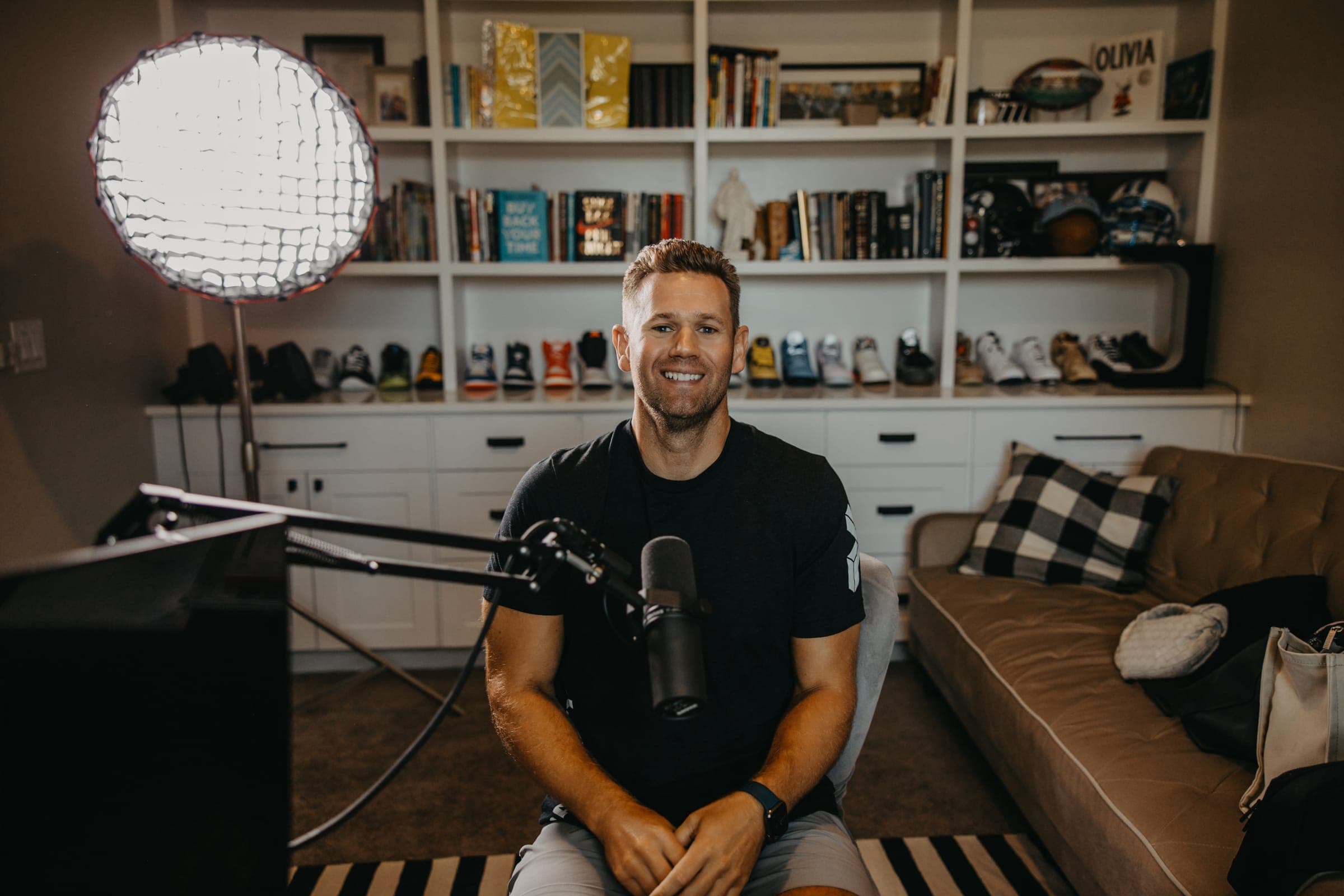
Eight people. Twelve hundred square feet. One bathroom.
I grew up in a small farming town on the Oregon and Idaho border. Twelve hundred square feet, eight of us, one bathroom. Four boys in one bedroom.
For the first eight years of my life I slept on the floor next to my brother Brent.
The money talk in that house was short. Money doesn't grow on trees. And my dad's line, which he meant flat out: I don't have two nickels to rub together.
I want to be careful here, because this isn't a hard-luck pitch. My parents were good people who worked hard. But I inherited a full script about money before I was old enough to know I was being handed one.
That's Law 1, by the way. Rewriting the script you didn't choose.
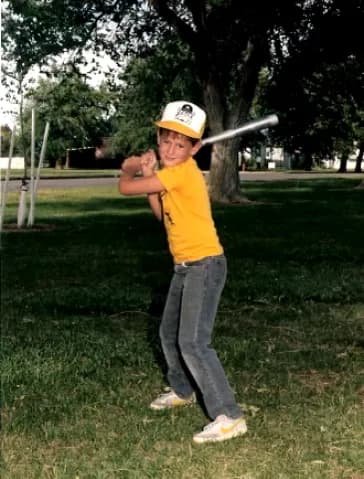
I learned the most important Law from a guy with almost nothing.
At nineteen I spent two years in Chile, in Viña del Mar and a little coastal town called Los Vilos.
That's where I met a fisherman. He didn't have much, and he gave away part of what he brought in before he did anything else with it. Before bills, before food, first.
I asked him why a man in his position would do that. He told me his nets started coming up a little fuller.
You can call that coincidence if you want. I've watched it hold for twenty-some years now, in my own life and in other people's.
Give past your limit, receive past your imagination. It sounds backwards. It works every time.
When I got home I read hundreds of books about money. Hundreds. And I noticed that the good ones kept saying the same handful of things in different words.
That's the first time I thought: these might be laws.

My first business failed. Then fear cost me seven years.
I went to law school. Practiced law. Good career, real income.
In 2007 I tried to start a pest control company. It failed. And then I didn't try again until 2014.
Seven years. That's what fear of risk cost me.
Not money. Time, which is the only thing on the list I couldn't buy back.
I tell that story more than any other. Every week I meet owners who had one bad run and then quietly chose not to try again.
I know what that costs. I paid it.
Playing it safe is one of the most expensive things you can do. That's Law 3, and I learned it by getting it wrong.
So I picked the most boring business I could think of.
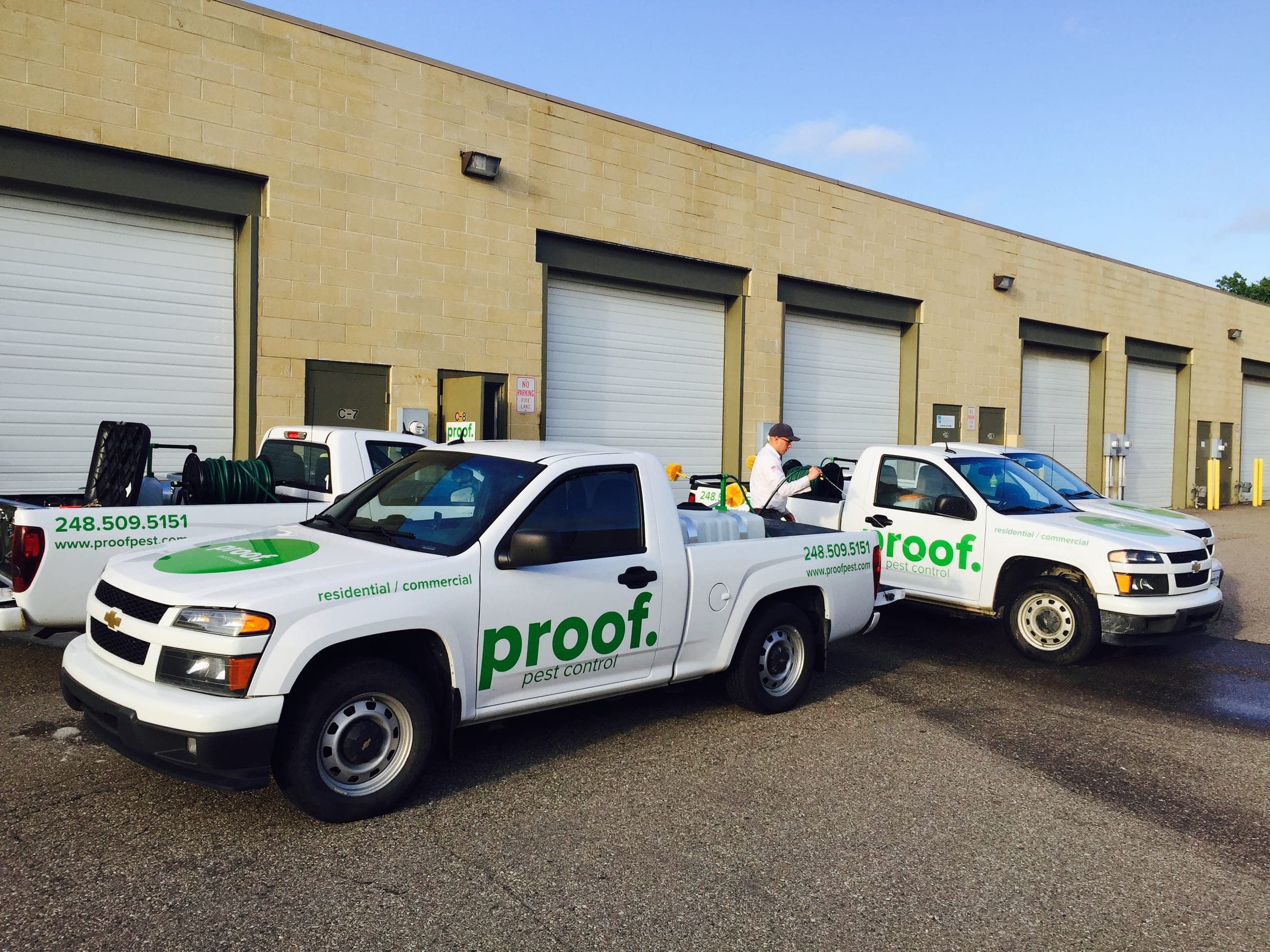
In 2014 I started Proof Pest Control in Detroit.
Not because I loved pest control. Nobody chooses pest control, you kind of just end up there. I picked it because it was boring, recurring and predictable, with customers who pay every month whether or not I'm having a good week.
It grew. Multiple branches, multi-million-dollar revenue, real employees, real payroll, real risk.
And the whole time I was building it, I drove a beat-up 2010 Nissan Altima.
People thought I was struggling. I was building.
That's Law 4: delay gratification without feeling deprived.
I didn't feel deprived. I felt like I was winning something nobody could see yet.
I've also had the other version of that. I sat across from people in a beautiful house, physicians earning half a million a year, and watched a card get declined. Big income, no wealth, and nobody had ever told them those were two different things either.
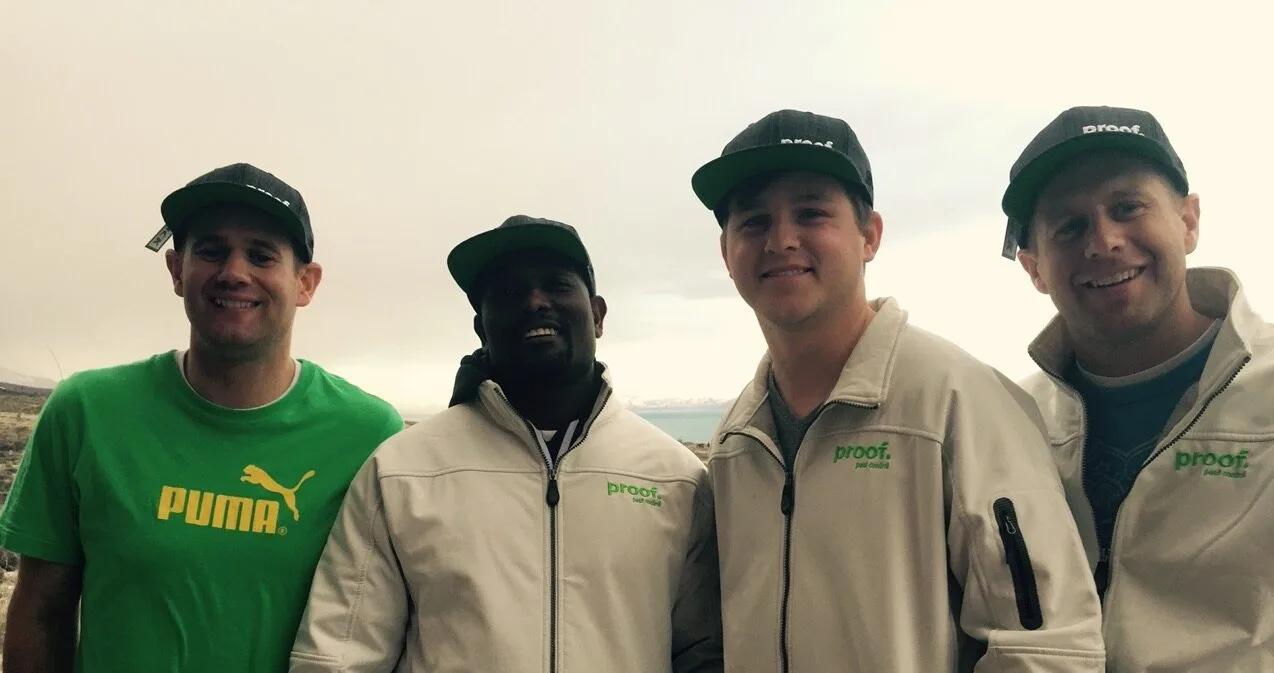
Here's my actual situation, including the part that's wrong.
I'll be more specific than most people in my position are, because vague is how this industry gets away with things.
Today I own or hold pieces of all of this:
- A pest control company
- A law firm
- A digital marketing agency
- A pest control media company
- Fourteen rental properties my sister manages
- A product company that got pitched on Shark Tank
- Angel investments and private loans
- Dividend stocks
- Bitcoin I've bought every two weeks for ten years
And roughly 76% of my net worth sits in privately held businesses.
Which is a mistake. I'll say it plainly: that's not good.
Too much in one basket, and the basket isn't liquid. I'm unwinding it, and it'll take years.
I could leave that part out. It'd make a cleaner story. But I teach Law 9, diversify smartly, and it would be dishonest to teach it while quietly failing it.
I teach from scars, not theory. Some of the scars are still healing.
I couldn't find it. So I built it.
Somewhere along the way I realized the thing I needed at twenty-five didn't exist.
There's plenty of content on how to make more money. There's plenty on how to get out of debt. There's plenty where somebody yells at a stranger about a credit card.
There was nothing for the guy who already built something. He's a year or three in and the money is finally showing up.
But not a dollar of it turns into anything he owns.
That guy is doing everything right at a game nobody told him was only half the board.
Nobody handed me the code. So I went and found it, and now I hand it over.
Let's be clear about the lane.
What I teach
How an owner builds wealth next to the business. Pay yourself first. Split the business money from your money, turn revenue into things you own, and make the shift from operator to investor. What to do with profit, and how to know if you are getting ahead.
What I don't teach
How to run or grow your company: not marketing, not hiring, not operations, not scaling. Plenty of good people teach that and I'm not one of them. My lane is what happens to the money after your business earns it.
What I'm not
I'm not a licensed financial advisor. I don't sell financial products, I don't manage anybody's money, and I won't tell you what to buy. I share what I've learned building real companies and a real portfolio. Take what works for you and leave the rest.
I teach principles, not tactics. Tactics change every six months. Principles don't.
The rest of it.
I wrote a book called Pack Your Lunch. It's about the small sacrifices that build wealth, and it costs less than lunch.
I host The Wealth Code Podcast. It runs longer talks in two flavors. Builders who have done it, and beginners asking the questions everybody is too shy to ask.
I put out one video a week on YouTube, built specifically for owners a year or three into it. That's the main thing I make.
Faith and family sit above all of this for me. Money's about sixth on my list. I mention it because it explains the tone: I'm not trying to convince you that money is the point.
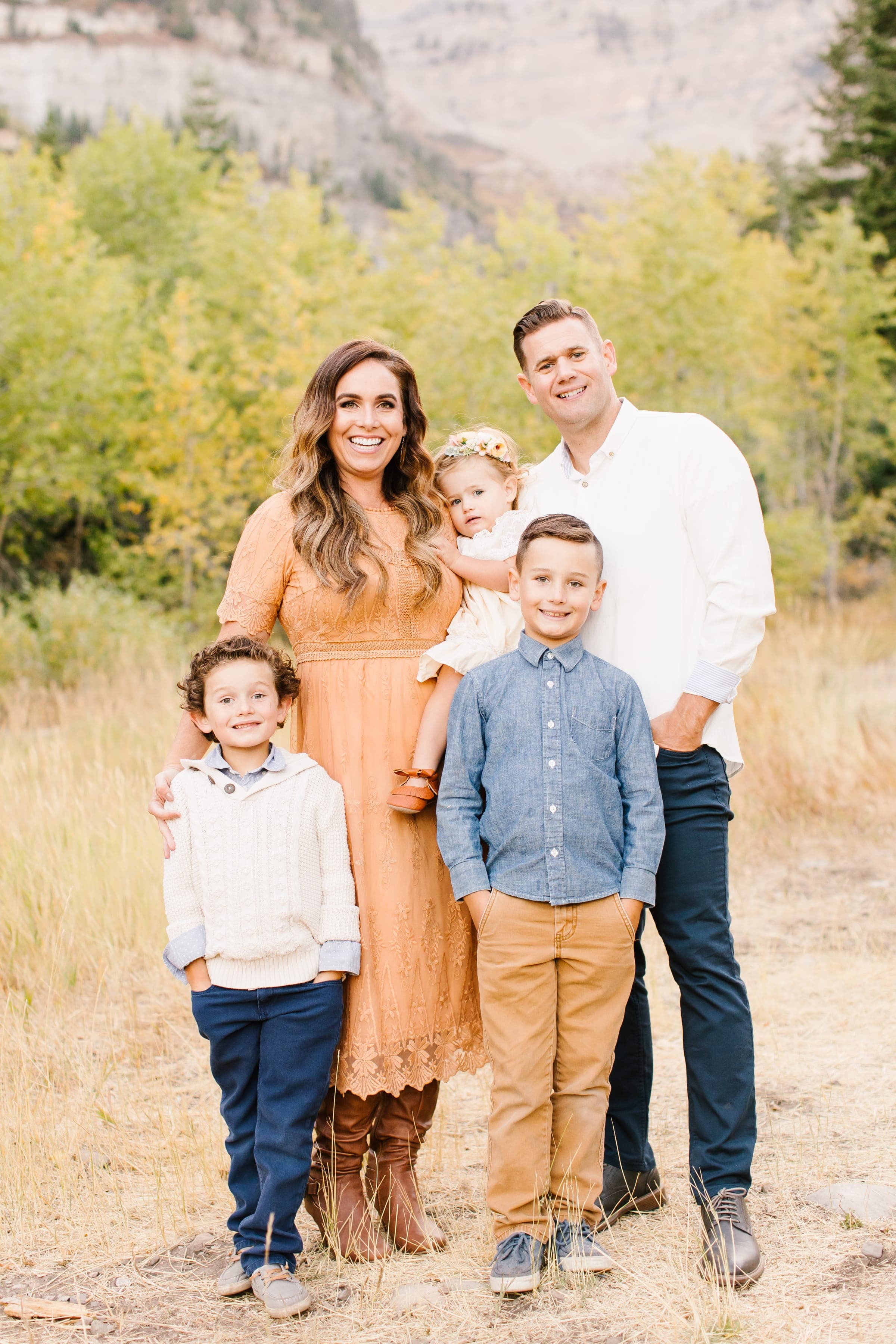
I want it to stop being a problem so you can go be about whatever your point is. I live in Arizona. I have a son named Jaxon who mostly wants to play catch, and that is a good reminder of what all of this is for.
If you're building something, come build the other half.
The money's coming in. The wealth isn't.
I know that feeling from the inside, and I know it isn't a character flaw. It's a missing system. The owners fixing it are in one room together.
Join The Wealth Code CommunityOr start with the weekly video on YouTubeNo hype. No gurus. No shame. Just the code.